Every year, 5 billion tons of agricultural waste—coconut shells, palm kernel shells, rice husks, sawdust—are either burned in the open, left to rot, or sold as low-grade fuel. This is not a simple upgrade, but a multiplication of value, increasing seven to tenfold. Moreover, this transformation is happening in Southeast Asia, Africa, and South America—not in laboratories or pilot phases, but in commercial plants operating 24/7.
As the global demand for sustainable waste management and carbon reduction solutions continues to grow, biomass pyrolysis technology is becoming an effective way to convert agricultural and forestry residues into high-value biochar products. Recently, advanced biomass pyrolysis equipment has attracted increasing attention from customers seeking environmentally friendly and economically viable biomass processing solutions.
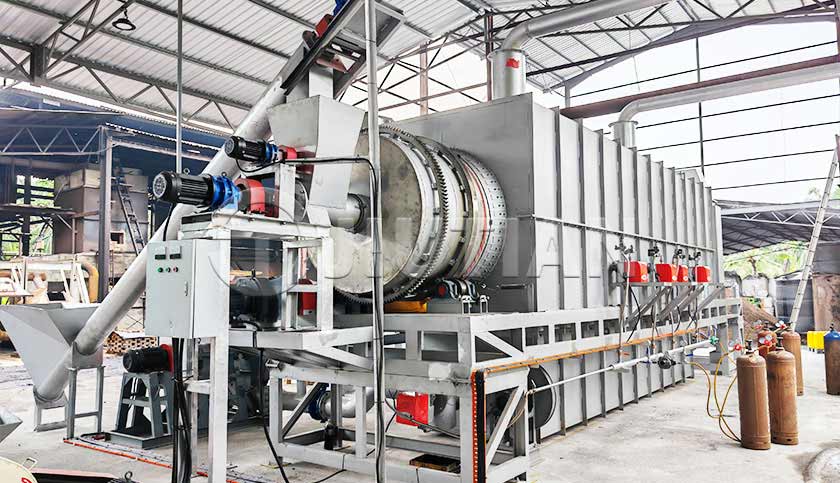
The biomass pyrolysis system is designed to process a wide range of raw materials, including rice husk, sawdust, wood chips, coconut shell, palm shell, corn straw, wheat straw, cotton stalk, and other agricultural waste. Through a controlled oxygen-limited pyrolysis process, the equipment converts biomass into biochar while significantly reducing waste volume and environmental impact.
With the increasing importance of carbon credit markets and sustainable agriculture, biomass pyrolysis equipment is becoming a valuable investment for biomass processing companies, agricultural enterprises, and renewable energy projects worldwide.By transforming agricultural waste into valuable biochar products, biomass pyrolysis technology not only creates new economic opportunities but also contributes to global efforts toward carbon neutrality and environmental sustainability.
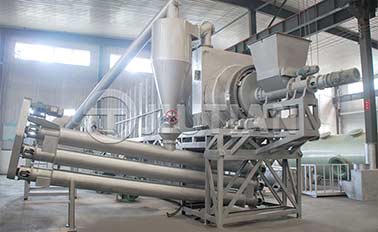
Location:Indonesia
Project Progress:Put Into Production
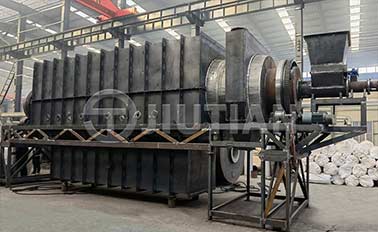
Location:Vietnam
Project Progress:Put Into Production
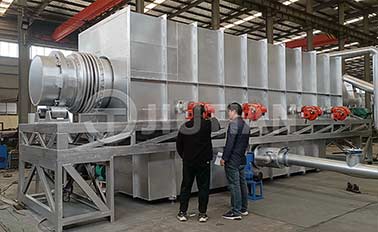
Location:Kenya
Project Progress:Put Into Production
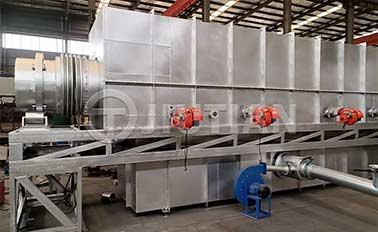
Location:Canada
Project Progress:Put Into Production
Zhengzhou Jiutian Technology Machinery Co.,Ltd. Sitemap